How Roof Flashing Prevents Leaks Around Chimneys and Vents
To prevent leaks around chimneys and vents, local contractors specializing in roof flashing installation can ensure proper sealing and protection.
Understanding how roof flashing prevents leaks around chimneys and vents is essential for maintaining the integrity of a property’s roofing system. For property owners in the area, this knowledge can help identify potential problem areas and recognize the importance of properly installed flashing in preventing water intrusion. When installed correctly by experienced local contractors, roof flashing acts as a critical barrier, directing water away from vulnerable joints and seams where leaks are most likely to develop. Exploring this topic further can reveal practical insights into safeguarding a home or business from costly water damage, making it a valuable resource for those considering roof maintenance or upgrades.
For those interested in ensuring their roofs are properly protected, connecting with local service providers who specialize in roof flashing installation can make a significant difference. These professionals understand the unique challenges posed by chimneys and vents, and they can recommend solutions tailored to the specific structure and climate conditions of the area. Learning more about how roof flashing prevents leaks around chimneys and vents can empower property owners to make informed decisions about roof repairs or improvements, helping to preserve the longevity and safety of their property. Keep reading to discover how proper flashing installation plays a vital role in effective roof protection.
- Roof flashing installation services are needed when homeowners notice leaks around chimneys and vents, and local contractors can expertly install or repair flashing to prevent water intrusion. Service providers assess existing flashing and replace or add new materials to ensure proper sealing against leaks. When flashing becomes damaged or deteriorates over time, local pros can provide effective repairs to maintain the roof’s waterproof barrier. Homeowners planning roof upgrades or repairs often seek flashing installation to improve leak prevention around chimneys and vents. Experienced local contractors use appropriate techniques and materials to ensure roof flashing effectively prevents leaks in these vulnerable areas.
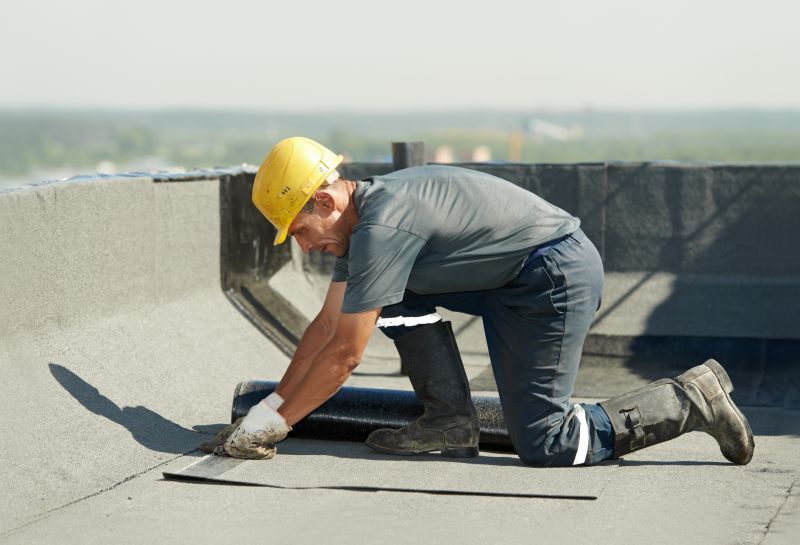
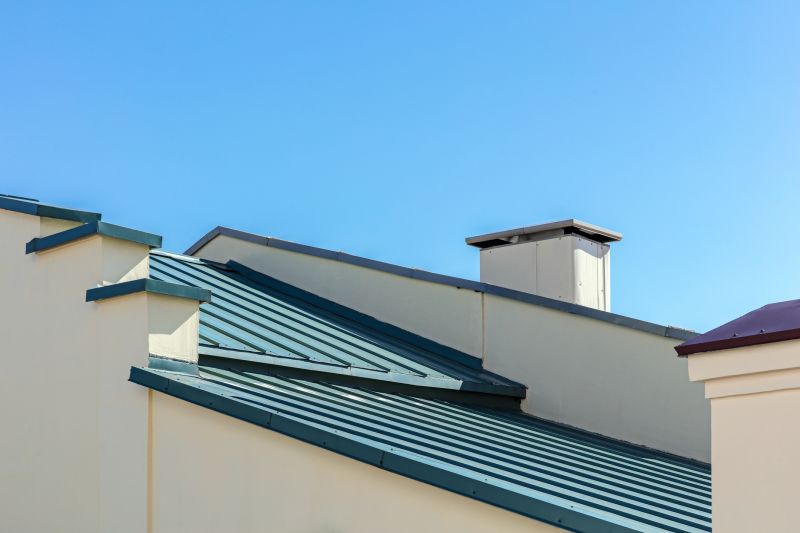
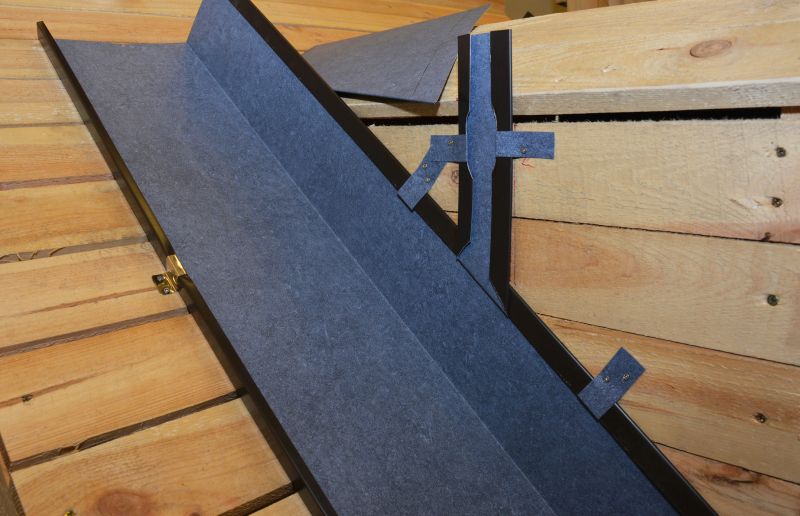
When homeowners search for information about how roof flashing prevents leaks around chimneys and vents, they often want to understand the role this material plays in protecting their property. Typically, this topic arises during planning or repair projects focused on maintaining the roof’s integrity. Leaks around chimneys and vents are common concerns because these areas are vulnerable points where water can seep through if not properly sealed. People may also be exploring options for repairing or upgrading existing flashing, or they might be trying to prevent future leaks by ensuring their roof system is correctly installed and maintained. Understanding how roof flashing functions helps homeowners make informed decisions about hiring local contractors to handle these critical tasks.
The problems related to inadequate or damaged roof flashing often involve water infiltration that can lead to interior damage, mold growth, or structural issues. When flashing around chimneys and vents fails or is improperly installed, rainwater can find its way into gaps, causing leaks and water stains inside the home. This is especially relevant for properties in areas with heavy rainfall or snow, where water runoff is frequent. Homeowners with plans to replace old flashing or retrofit their roofs to improve waterproofing also need to understand how roof flashing works. Properly installed flashing acts as a barrier, directing water away from vulnerable seams and joints, which is essential for preventing costly repairs down the line.
Properties that commonly come up in discussions about roof flashing include single-family homes, especially those with chimneys or multiple vent stacks, as well as multi-unit residential buildings, and even some commercial properties. Many older homes may have outdated or deteriorated flashing that needs attention, while newer constructions often require precise installation to ensure long-term waterproofing. When considering roof flashing services, property owners should recognize that local contractors are experienced in handling different types of roofs and materials, ensuring the flashing is tailored to the specific design and weather conditions of each property. This connection between property type and the need for professional installation highlights how essential proper flashing is for maintaining a leak-free roof.
Ultimately, understanding how roof flashing prevents leaks around chimneys and vents helps homeowners appreciate the importance of professional installation and maintenance. Local service providers bring expertise in selecting the right materials, designing effective flashing details, and ensuring proper sealing around these critical roof penetrations. Properly installed flashing not only keeps water out but also extends the life of the roof by protecting underlying structures from moisture damage. When planning a roof project or addressing existing issues, homeowners can benefit from consulting local contractors who specialize in flashing installation to ensure their roofs remain watertight and durable over time.
Chimney Repair Projects - These projects involve sealing and waterproofing chimney structures, utilizing skills similar to roof flashing installation to prevent leaks around chimneys and vents.
Vent Pipe Flashing Installations - Installing vent pipe flashings requires precise planning and tool use, directly related to ensuring proper sealing around vents to prevent water intrusion.
Roof Leak Detection Services - Identifying the source of leaks often involves inspecting flashing and sealing around chimneys and vents, requiring similar expertise as roof flashing installation.
Roof Repair and Replacement - Repairing or replacing roofing materials involves understanding how flashing contributes to leak prevention around roof penetrations like chimneys and vents.
Skylight Installation Projects - Installing skylights involves sealing around roof penetrations, paralleling the skills used in installing roof flashing for chimneys and vents.
Gutter and Downspout Installation - Properly installed gutters and downspouts help direct water away from vulnerable roof areas, complementing the role of roof flashing in leak prevention around chimneys and vents.
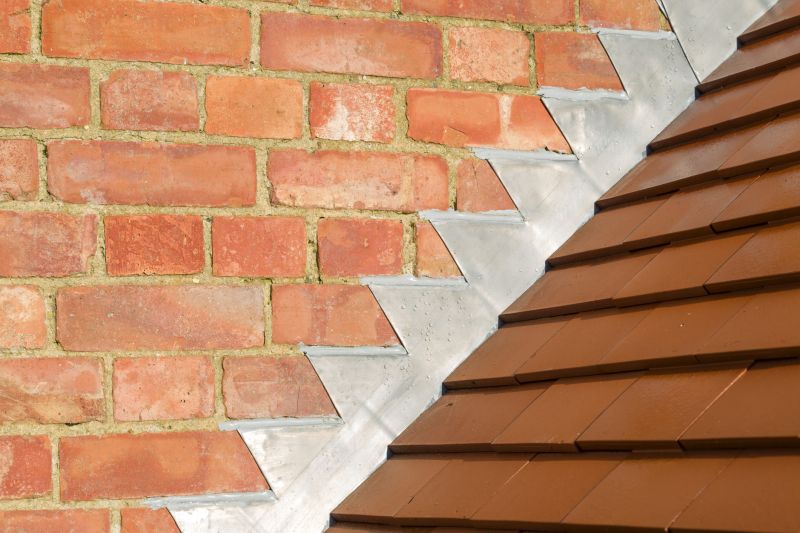
When comparing service providers for roof flashing installation, it is important to consider their experience with similar projects, particularly those involving chimneys and vents. Homeowners should inquire about the types of roofs and flashing systems the contractors have worked on in the past, ensuring they have a solid understanding of how roof flashing prevents leaks around chimneys and vents. An experienced local contractor will typically be familiar with common challenges and effective solutions, which can contribute to a more reliable and long-lasting installation.
Clear written expectations are essential when evaluating potential service providers. Homeowners should look for detailed proposals that outline the scope of work, materials to be used, and the steps involved in installing roof flashing. This transparency helps prevent misunderstandings and ensures that everyone is aligned on the project's goals. A reputable contractor will be able to explain how proper flashing installation contributes to preventing leaks around chimneys and vents, emphasizing the importance of quality workmanship and attention to detail.
Reputable references and good communication are key factors in choosing a reliable local contractor. Homeowners can ask for references from previous clients who had similar work done, and should follow up to learn about their experiences. Effective communication involves timely responses to questions, clear explanations of the work process, and openness to discussing concerns. These qualities indicate a contractor’s professionalism and commitment to customer satisfaction, which can be particularly valuable when addressing the critical task of preventing leaks around chimneys and vents through proper roof flashing installation.
Property owners often search for how roof flashing prevents leaks around chimneys and vents when they are planning practical projects around their homes and businesses. Local pros provide Roof Flashing Installation services for everyday jobs and straightforward project options.

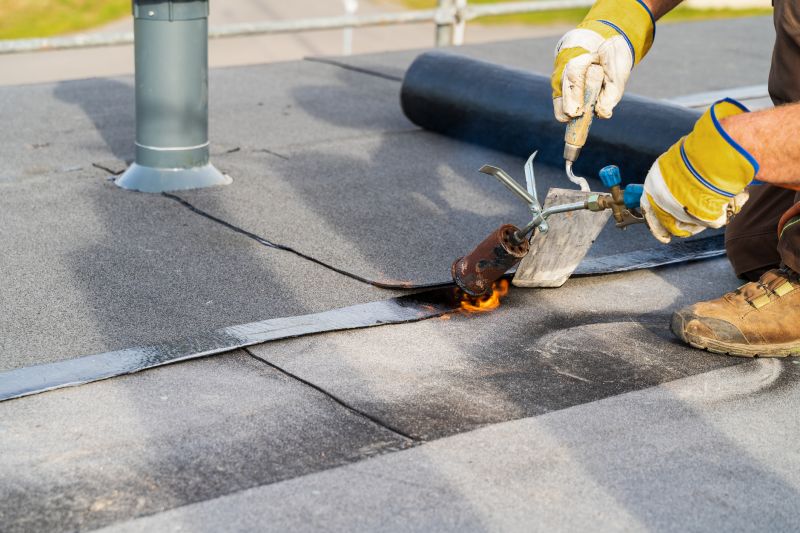
Understanding how roof flashing prevents leaks around chimneys and vents is essential for property owners who want to maintain the integrity of their roofs. When installing or repairing these features, proper flashing acts as a barrier that directs water away from vulnerable areas, preventing it from seeping into the roof structure. Homeowners in the area often seek guidance on this topic to ensure their chimneys and vents are correctly sealed, especially after harsh weather events or when noticing signs of water intrusion. Local contractors experienced in roof flashing installation can evaluate existing setups and provide solutions that help keep roofs watertight, reducing the risk of costly damage over time.
Many property owners look into roof flashing services when planning upgrades or repairs to their roofs. Properly installed flashing around chimneys and vents not only prevents leaks but also extends the lifespan of the roof by protecting critical joints and seams. Whether adding new flashing or fixing old, deteriorated materials, local service providers can handle these projects efficiently. For those concerned about water infiltration or seeking peace of mind, connecting with local pros ensures that the flashing around chimneys and vents is installed correctly, offering effective protection against leaks and weather-related wear.
How does roof flashing prevent leaks around chimneys and vents? Roof flashing creates a waterproof barrier that seals the joints where chimneys and vents penetrate the roof, preventing water from seeping in and causing leaks. Local contractors install flashing to ensure these vulnerable areas are properly protected against weather elements.
Why is proper installation of roof flashing important for leak prevention? Proper installation ensures that flashing fits tightly and is correctly sealed, which helps prevent water from bypassing the barrier and leaking into the home. Experienced service providers know how to install flashing effectively around chimneys and vents.
What materials are commonly used for roof flashing around chimneys and vents? Common materials include aluminum, copper, and galvanized steel, chosen for their durability and weather resistance. Local pros select the best material based on the roof type and environmental conditions to maximize leak prevention.
Can roof flashing be repaired or replaced if it’s already leaking? Yes, if flashing has become damaged or improperly installed, local contractors can repair or replace it to restore its leak-proof function. Proper repair ensures that water cannot infiltrate around chimneys and vents again.
How do local roof flashing installation services ensure effective leak prevention? These service providers assess the roof’s specific needs, select appropriate flashing materials, and install them with proper techniques to create a reliable seal around chimneys and vents, reducing the risk of leaks over time.
Understanding flashing placement - property owners can learn how roof flashing is installed around chimneys and vents to create a barrier against water intrusion with help from local contractors.
Choosing the right materials - selecting durable flashing materials can help prevent leaks and extend the lifespan of roofing components, with guidance from local pros.
Inspecting for damage - regular checks for signs of rust, cracks, or gaps in flashing can be part of routine maintenance, supported by local service providers.
Scheduling professional installation - trusting local contractors for proper flashing installation ensures effective protection against leaks around chimneys and vents.
If you are thinking about how roof flashing prevents leaks around chimneys and vents for a property, this guide is meant to help you understand this topic, the typical project types, and how different options might fit your plans.
When you are ready, you can use the quote form on this page to share a few details about your project. From there, local pros can review the basics and follow up with options that match what you have in mind.