Optimal Timing for Flashing Inspections
Flashing inspections are crucial for maintaining the integrity of building exteriors, especially around roofs, windows, and doors. Conducting inspections at optimal times ensures early detection of issues such as leaks, deterioration, or damage caused by weather conditions. Timing these inspections appropriately can prevent costly repairs and extend the lifespan of building components.
Perform flashing inspections during dry seasons to get accurate assessments without weather interference. Spring and fall are ideal for inspecting after harsh weather conditions.
After heavy storms or severe weather, inspections can identify damage early, preventing further deterioration.
Scheduling inspections annually or semi-annually helps maintain building integrity and detect issues before they escalate.
Avoid inspections during extreme cold or heat, as these conditions can affect inspection accuracy and safety.
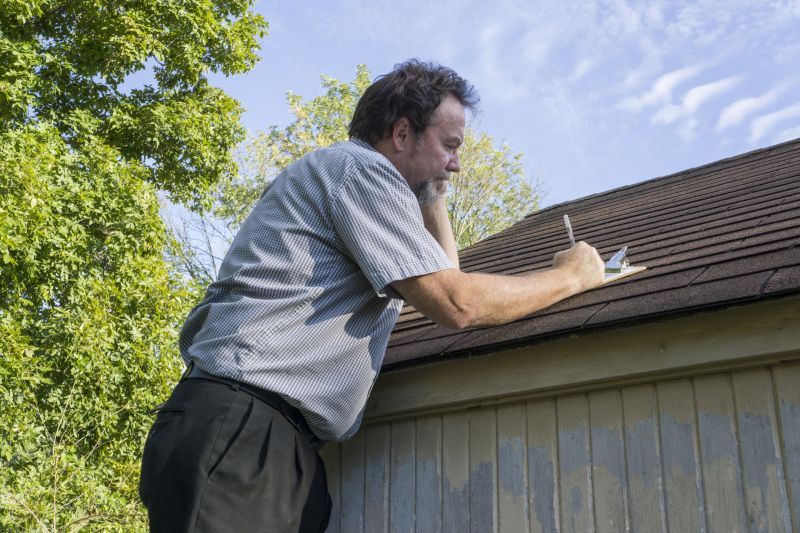
Ideal for accurate assessment of flashing integrity.
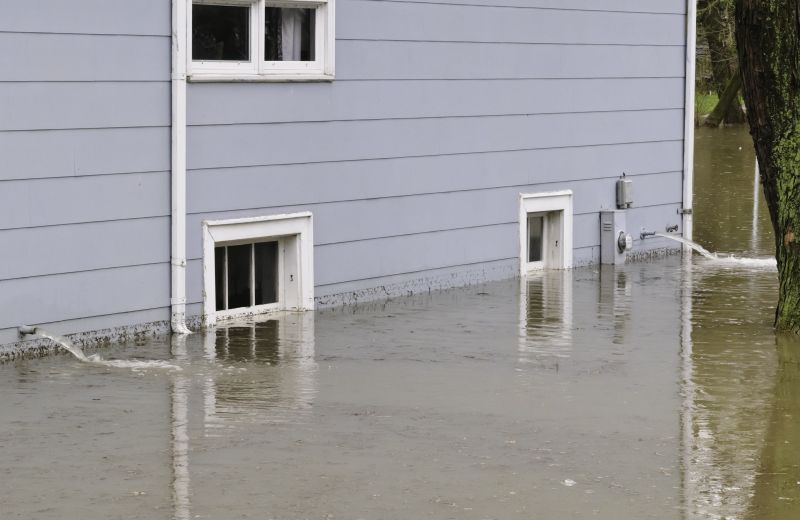
Identifies damage caused by recent weather events.
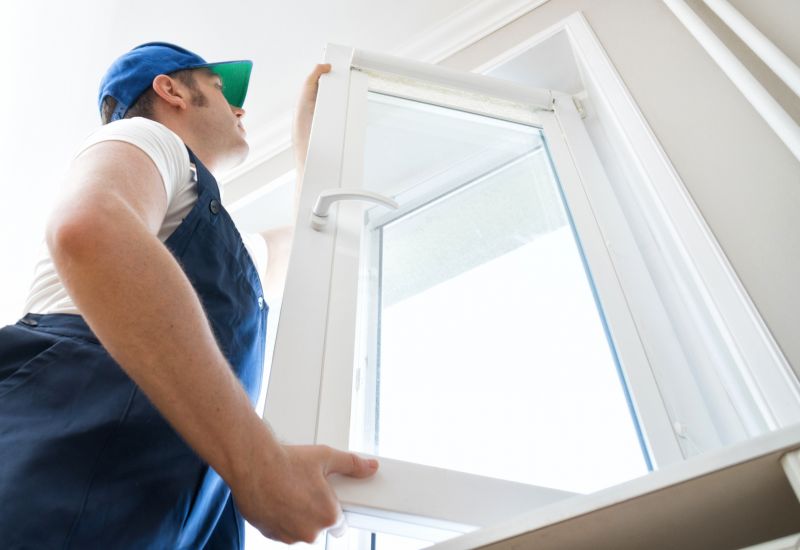
Regular inspections to prevent issues.
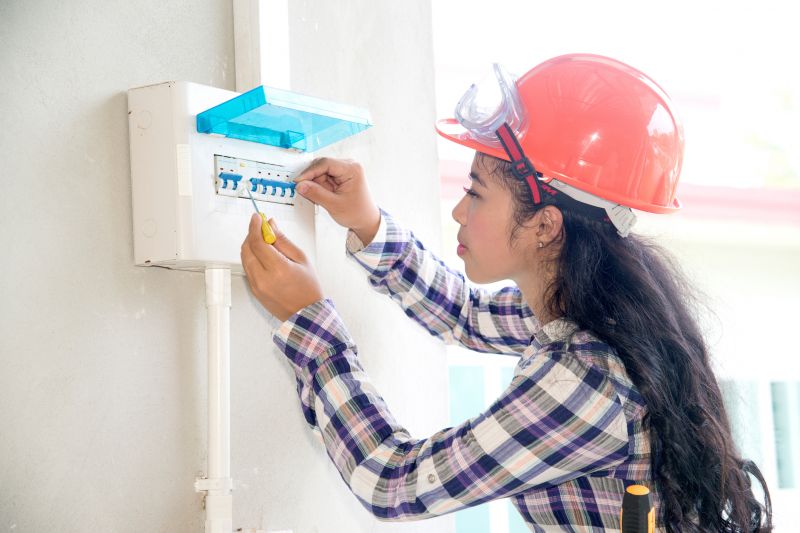
Ways to make Flashing Inspections work in tight or awkward layouts.
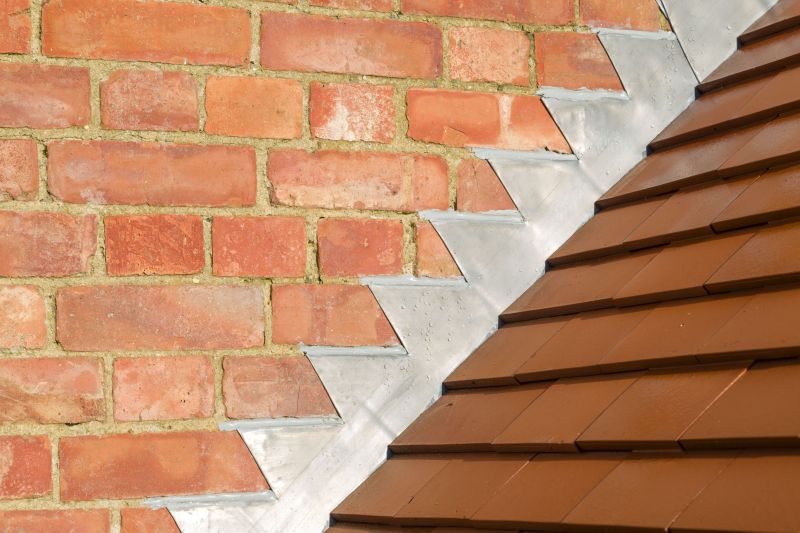
Popular materials for Flashing Inspections and why they hold up over time.
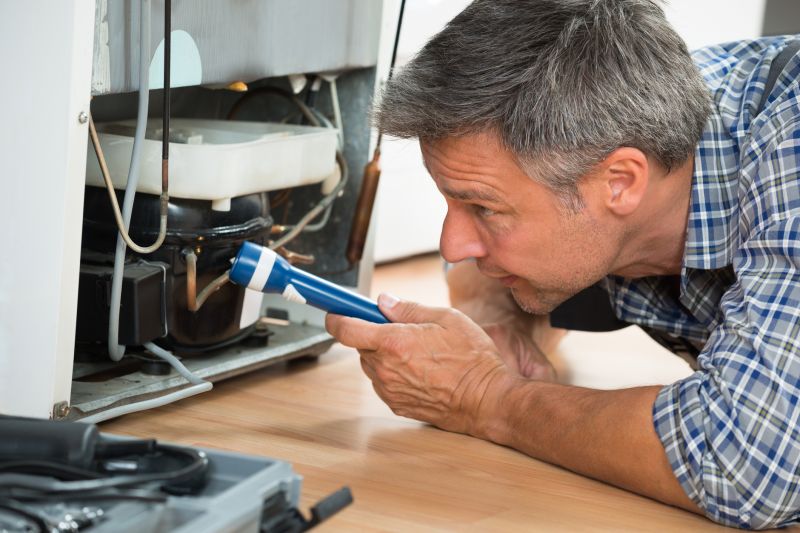
Simple add-ons that improve Flashing Inspections without blowing the budget.
| Timing Aspect | Recommended Period |
|---|---|
| Seasonal Changes | Spring and Fall |
| Post-Weather Events | Immediately after storms |
| Routine Maintenance | Annually or semi-annually |
| Construction Phases | During or after installation |
| Extreme Weather | Avoid during very cold or hot days |
Flashing inspections are an essential part of building maintenance, focusing on the areas where water infiltration is most likely to occur. Proper timing ensures that issues are identified early, reducing the risk of water damage, mold growth, and structural deterioration. Inspections should be integrated into regular maintenance schedules and conducted after any severe weather to ensure the building's exterior remains secure.
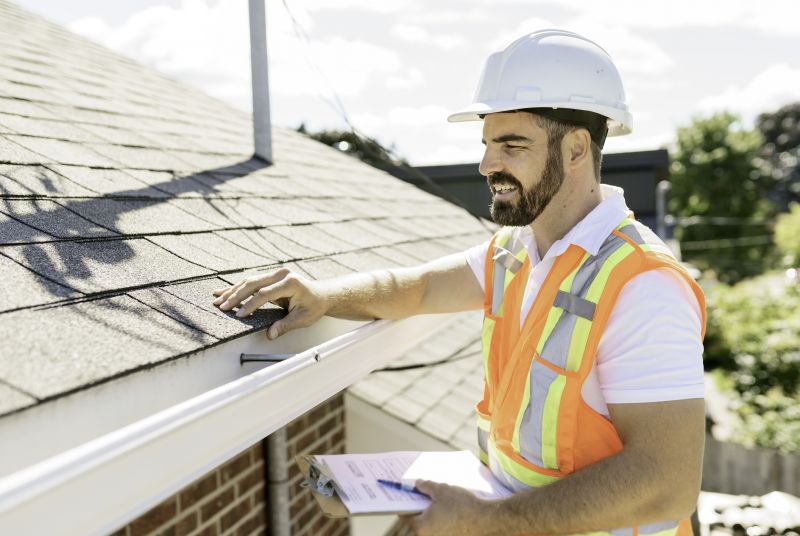
Visual assessment of flashing around roof penetrations.
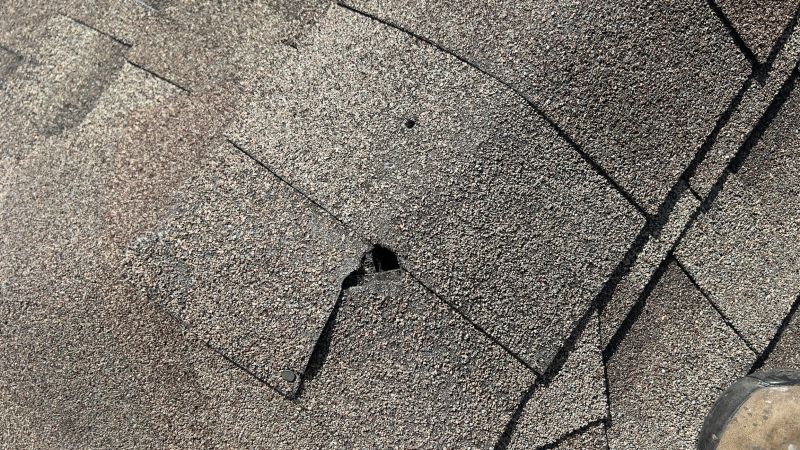
Identifies areas needing repair or replacement.
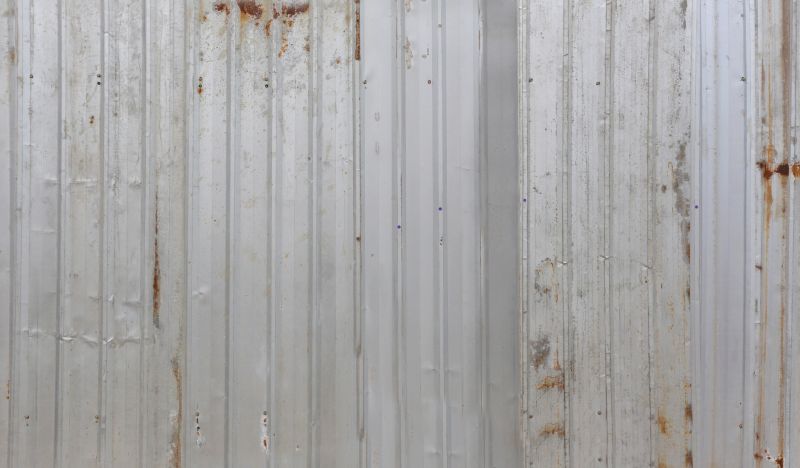
Shows signs of wear that require attention.
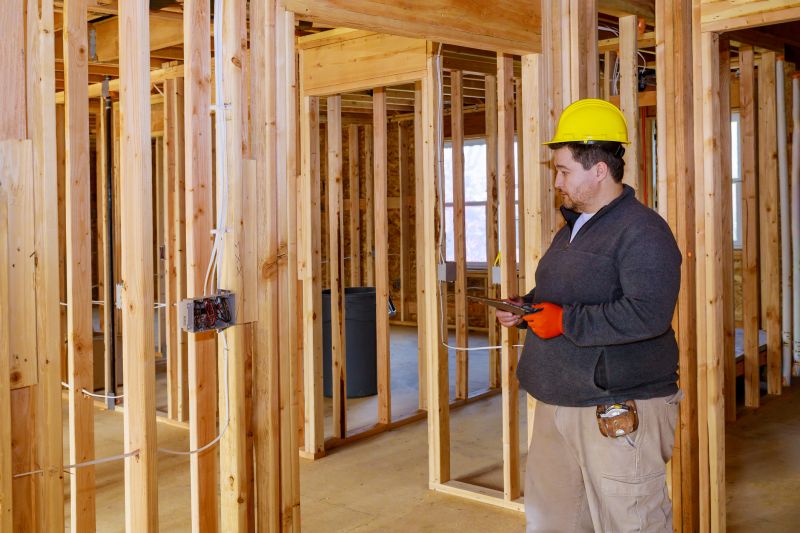
Proper installation during construction or repair.

High-end options that actually feel worth it for Flashing Inspections.

Finishes and colors that play nicely with Flashing Inspections.
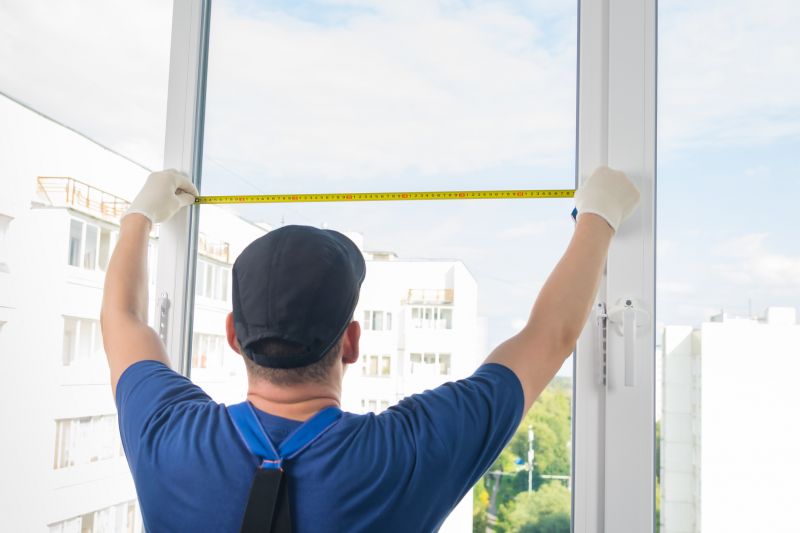
Little measurements that prevent headaches on Flashing Inspections day.
A 60-second routine that keeps Flashing Inspections looking new.
Scheduling flashing inspections at appropriate times is vital for maintaining building integrity. Regular checks, especially after severe weather or during seasonal transitions, help identify potential issues early. Proper timing and routine inspections can significantly extend the lifespan of flashing components and prevent costly damage.
Interested in scheduling an inspection? Fill out the contact form to get started.